Services & Prices
Professional equine therapy with an analytical approach and state-of-the-art methods
For which situations?
Acute injury phase
Immediate relief and targeted treatment after injuries or surgery for a fast and safe recovery.
Athletes to the next level
Optimising movement patterns and preventing injuries for maximum performance in sport.
Leisure riders "not quite right"
Investigating the causes of subtle movement disorders and drops in performance in everyday life.
Training to stay healthy long term
Preventive treatment and training advice for long-term health and well-being.
My approach
My therapeutic approach is holistic and cause-oriented. Instead of merely treating symptoms, I look for the underlying causes of movement disorders and pain. With analytical precision and state-of-the-art analysis tools such as objective gait analysis and ConSteed, I obtain objective data that enables a precise diagnosis and targeted treatment.
The success of the therapy depends crucially on the openness to change on the part of the owners. Together we develop a sustainable therapy and training plan that not only solves the current problems but also prevents future complaints.
Services in detail
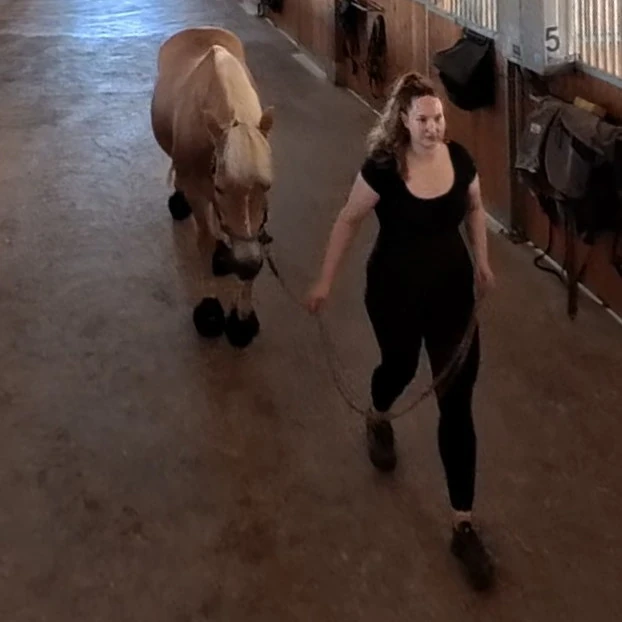
Objective gait analysis with ConSteed
Objective insights into movement patterns, asymmetries and potential problems. Film your horse and receive a precise analysis with physiotherapeutic interpretation – without technical jargon, but understandable and directly applicable in everyday life.
- Early detection of movement disorders
- Objective assessment of therapy success
- Targeted training recommendations
- Documentation for long-term monitoring
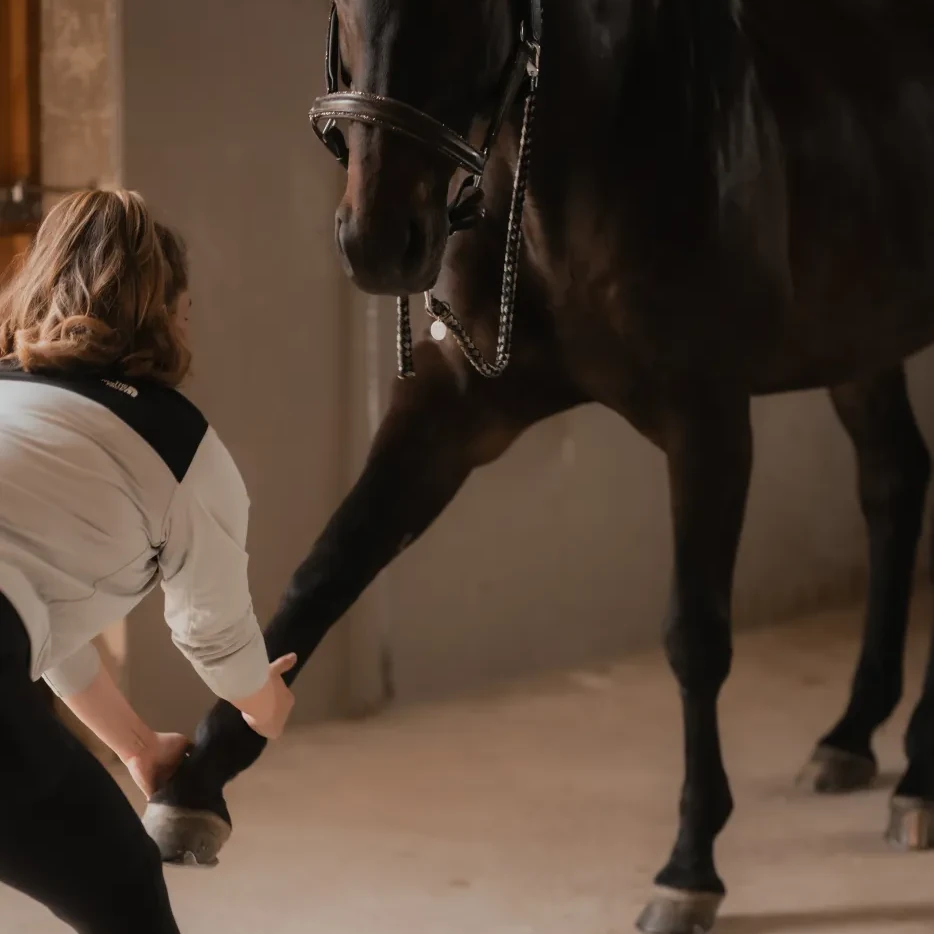
Physiotherapy (manual therapy)
Both as a preventive measure and for existing problems. Through mobilisation, stretching and targeted training, physiological movement patterns are restored and confidence in the horse's own movement is encouraged.
- Mobilisation of joints and the spine
- Stretching of shortened muscle structures
- Targeted training for movement coordination
- Restoration of physiological movement patterns
- Improvement of body awareness
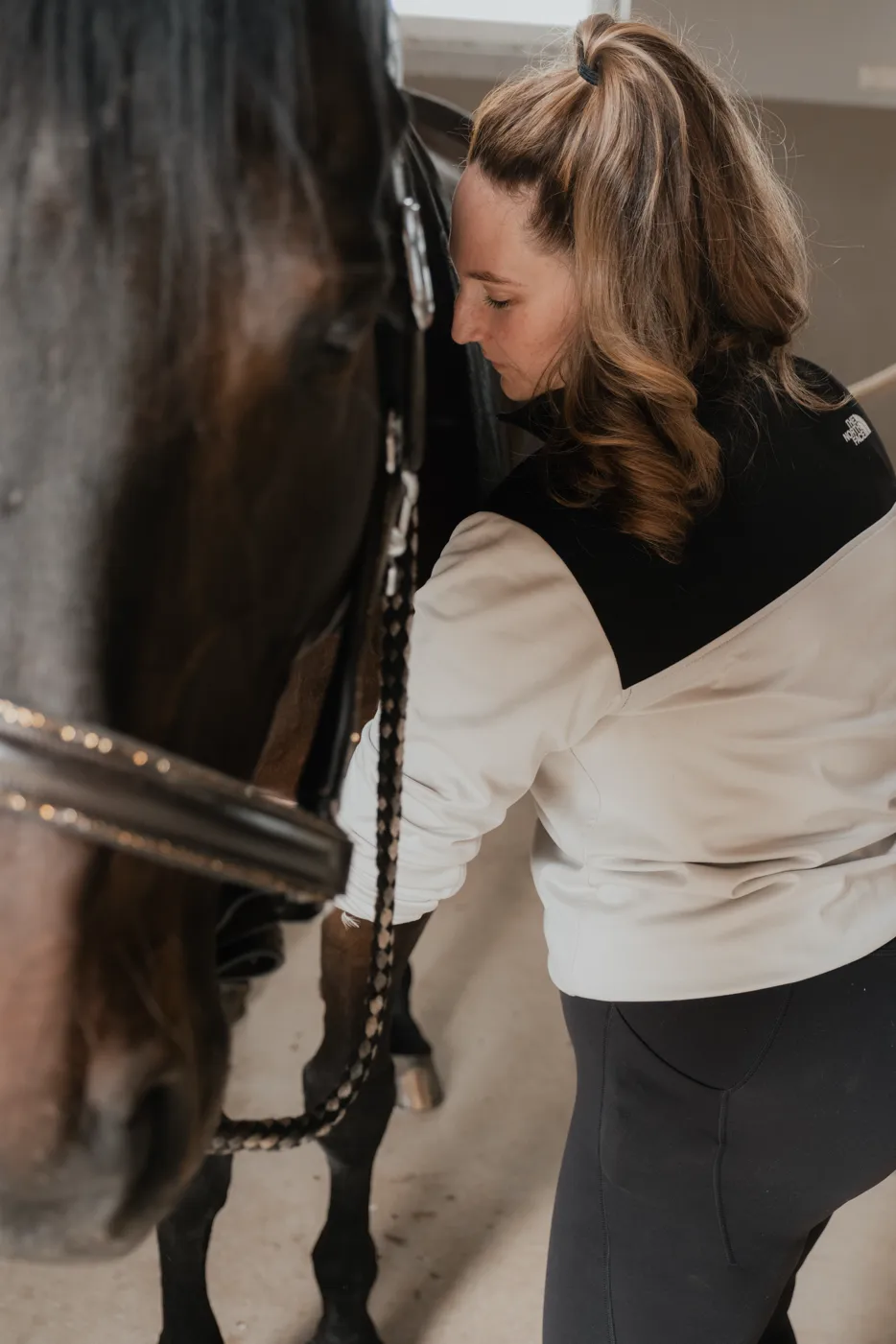
Osteopathy
Holistic treatment of the musculoskeletal and organ system for lasting balance and well-being. Osteopathy regards the horse as a unit of body, movement and function. Blockages in joints, fascia or internal organs can affect distant structures and manifest as lameness, drops in performance or behavioural issues.
- Release of blockages in joints, fascia and tissue
- Treatment of compensation patterns and evasive movements
- Support of the internal organs and the nervous system
- Improvement of freedom of movement and body awareness
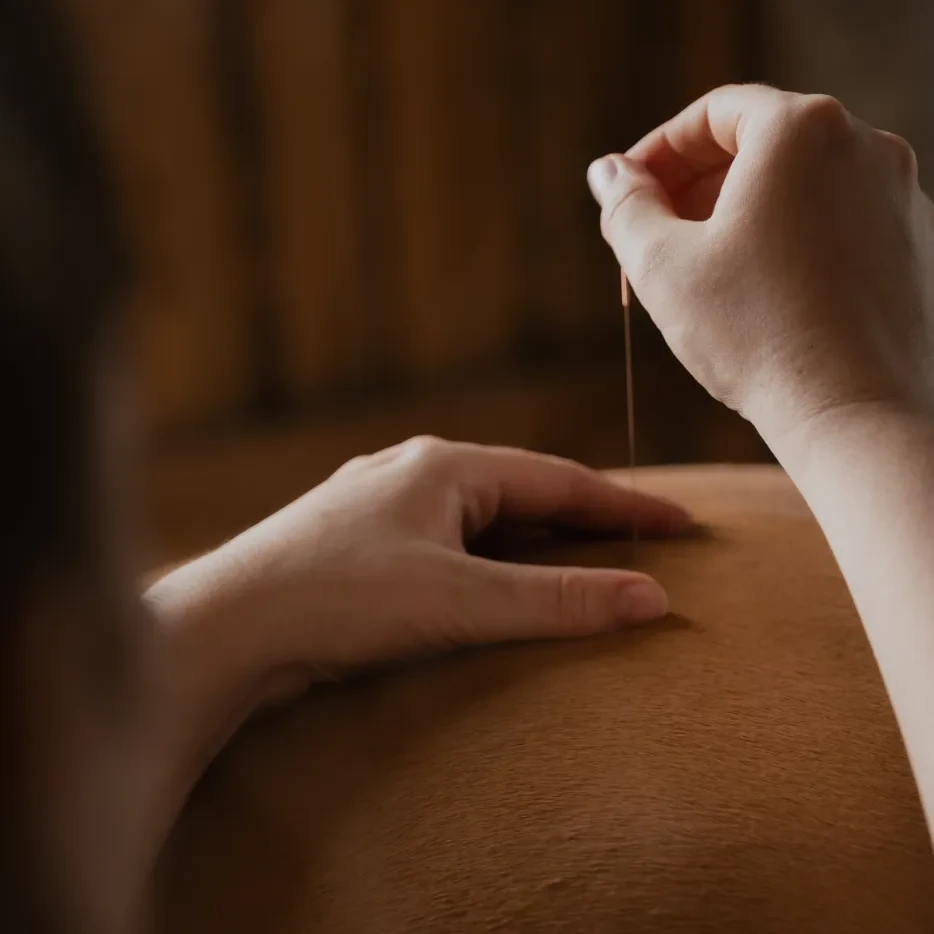
Dry Needling
Targeted treatment of trigger points with fine needles for pain relief, improved mobility and accelerated healing through better circulation. Particularly effective for chronic problems and compensation patterns.
- Pain relief through trigger point treatment
- Improved mobility
- Promotion of circulation and healing
- Release of chronic tension
- Treatment of compensation patterns
Training therapy
Functional improvement of the entire movement system through targeted neuromuscular stimulation and correction of imbalances.
- Improvement of neuromuscular control
- Correction of muscular imbalances
- Targeted activation of weak muscle groups
- Coordination training and proprioception training
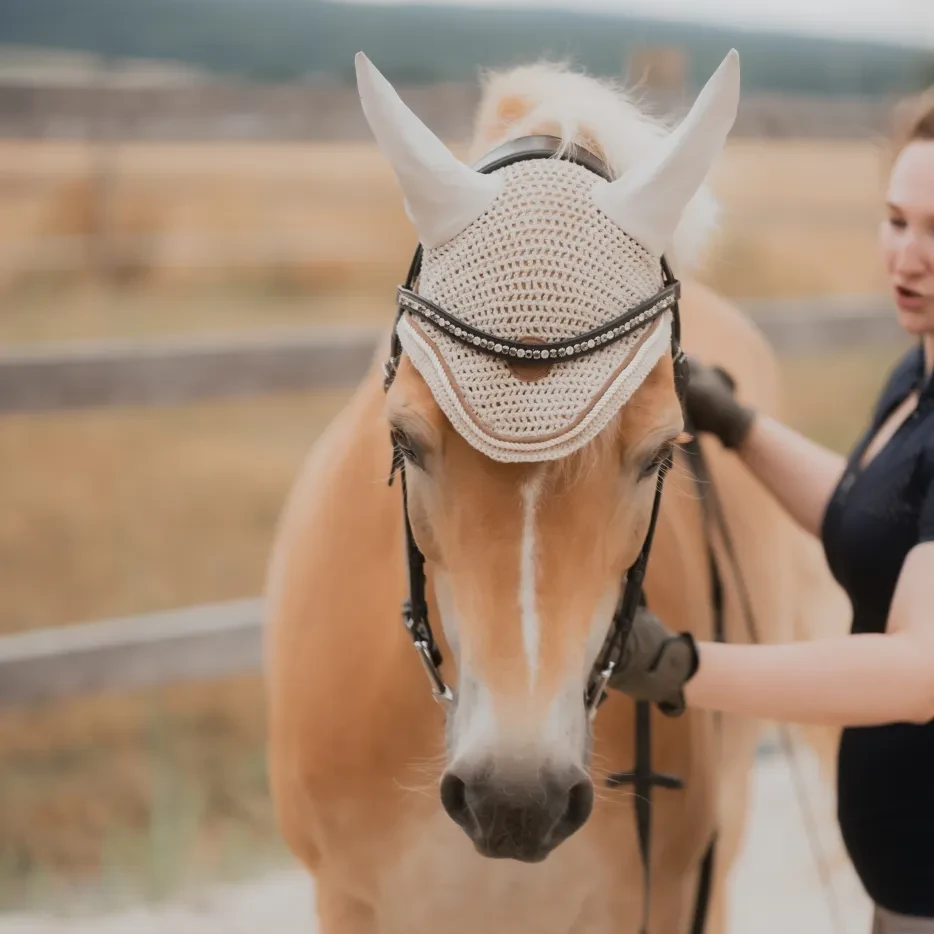
Rehab therapy
Gradual return after injuries, surgery or longer breaks. A combination of gentle movement, coordination and targeted activation for a safe return.
- Gradual rebuilding of resilience
- Coordination training after injuries
- Targeted activation of weakened structures
- Safe return to training
- Prevention of secondary injuries
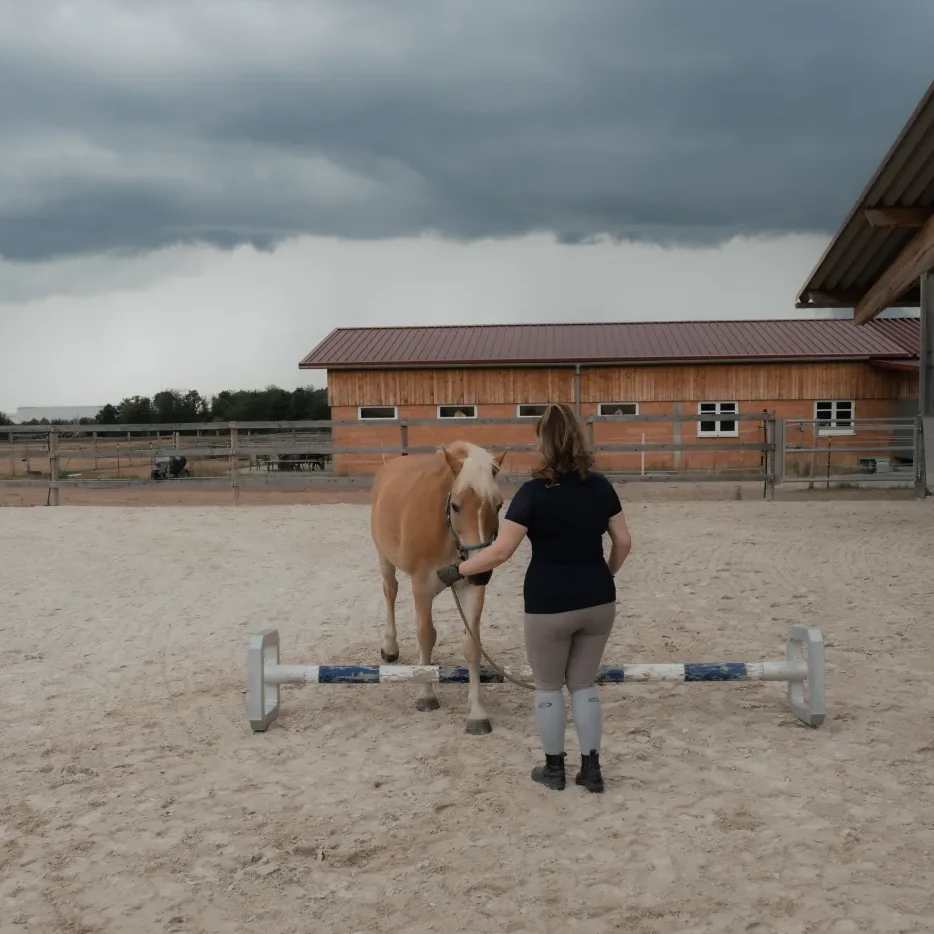
Riding and in-hand work lessons
Harmonious communication between human and horse – from the ground and under saddle. Classical in-hand work and riding lessons lay the foundation for an honest, trusting partnership.
- Building clear and subtle aids
- Clear, subtle aids from a balanced seat
- Gymnasticising and strengthening the horse's body
- Body awareness and balance for rider and horse
- Resolving communication problems
- Sustainable training development
Prices
Initial treatment
Manual therapy incl. dry needling, taping, physical therapy
149 €
Follow-up treatment
Up to 12 weeks after the initial treatment
119 €
ConSteed gait analysis
Sensor-based gait analysis with AI evaluation
69 €
Bundle: gait analysis & initial treatment
Special offer package
199 €
Training therapy / training consultation / training planning
€50 each
Seminars
on request
Travel fees
Treatments take place at your stable. For travel I charge €0.40 per kilometre. From 5 horses onwards the travel costs are waived.
Frequently asked questions
How should you prepare for the first treatment?
Please make sure your horse is clean and dry. A quiet environment without distractions is ideal. Have any current veterinary findings ready – especially if there are known pre-existing conditions.
How long does a treatment take?
The first treatment takes about 90 minutes, as it includes a detailed analysis and the initial therapy. Follow-up treatments usually take around 60 minutes.
How often are treatments necessary?
That depends on the individual case. Acute complaints often require more frequent treatments (once or twice a week), while for chronic issues or prevention, longer intervals of 3 to 6 months make sense.
What happens if you have to cancel an appointment?
Please cancel your appointment at least 24 hours in advance. For short-notice cancellations (under 24 hours) I have to charge the full treatment price, as the appointment usually cannot be rebooked.
Do you receive a written report?
Yes, after every treatment you receive a short written report with the most important observations and recommendations for your further training or management.
Do you need a veterinary referral?
No, you can come without a referral. Should a suspicion of a veterinary cause arise during the treatment or no improvement occur, I recommend consulting your veterinarian.